



















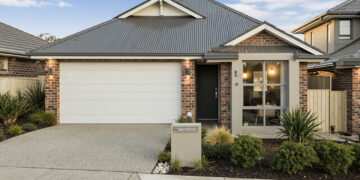


- A six-bedroom Lysterfield home at 3 Obeah Court passed at auction, with negotiations continuing.
- The property carried a $3.59m reserve, while the owners estimated their garden would cost $1m to recreate.
- The Koch family had owned the property for 16 years.
- The final contract price remained undisclosed, leaving the garden’s financial contribution uncertain.
The home at 3 Obeah Court, Lysterfield, has passed in at auction with negotiations still under way. Ray White Ferntree Gully agent Ben Thomas confirmed the outcome following the Saturday auction.
The headline numbers describe the result, but the more revealing feature lies beyond the six bedrooms and $3.59m reserve. For the Koch family, the property’s greatest appeal was a garden that had become both a refuge and an entertaining space over many years.
Why the garden mattered
Scott Wynd designed the grounds after winning gold at the Chelsea Flower Show in 2010 for the Trailfinders Australian Garden. He began planning the Lysterfield project in 2012, drawing on sandstone taken from the property and building feature walls with a stonemason’s assistance.
The installation unfolded over a nine-month period. Planting involved approximately 700 trees, shrubs and bushes, with the finished grounds incorporating hidden seating pockets, tiered outdoor areas and a swimming pool. A prominent tree near the pool is lit after dark, and a raised platform provides views across the surrounding estate.
The work continued well beyond those initial months. According to Mr Koch, the landscape required years of growth before it acquired the character the family valued. Their estimate of $1m therefore covered more than a collection of plants. It reflected the design, installation, local stonework, established planting and time needed to produce a mature setting.
That qualification is important. The figure came from the owners and was not presented as an independent valuation of the extra money buyers would pay. It offers insight into their attachment to the grounds while leaving the negotiated price to provide the objective market evidence.
More than a decorative backyard
When the Kochs bought the house in February 2010, they were expecting their fourth child. Their three existing children were teenagers, and the family needed more space. The house met that requirement, but the yard initially offered little beyond three large piles of soil.
The couple considered the property before fully understanding how important it would become. They attended CityLife Church in Melbourne’s southeast, then discovered that previous owners had also been members. Mrs Koch recognised familiar people in photographs displayed throughout the home, while a psalm displayed on a board gave the family another connection to its faith.
That sense of familiarity helped turn an unfinished outdoor area into something far more significant. The eventual garden offered privacy, quiet places to sit and room for gatherings that the original lawn could not have provided.
The Kochs regularly welcomed their Christian community, and the home accommodated parties of up to 100 people. Its entertaining spaces extended beyond the interior, allowing guests to spread between the house, pool and landscaped terraces. The property also included a self-contained wing with a separate entrance and garage as the children grew.
Why the $1m estimate needs context
A recreation estimate is not the same as a confirmed increase in value. It does not reveal the final contract price, nor does it show how much of the garden premium a buyer agreed to pay.
Even so, the estimate illustrates the benefit of buying an established environment rather than beginning with bare soil. Buyers would inherit years of horticultural development, while the Kochs had absorbed the design process, construction period and subsequent maturation.
Their experience also reveals why comparisons based solely on floor area can be incomplete. The 64-square-metre house sits on a 5,011-square-metre block, but the relevant difference between one large estate and another may lie in how its outdoor space functions. Privacy, mature planting and useful entertaining areas can shape daily life as much as the rooms inside.
There is a trade-off for prospective buyers, though. A garden that looks established has already benefited from substantial investment and time. Those considering a similar property need to weigh the appeal of that finished result against their willingness to manage and preserve it.
A buyer’s decision checklist
Anyone comparing landscaped estates should consider:
- Whether the asking price reflects the house, land and completed grounds as a combined package.
- How the garden compares with alternatives available on other large blocks.
- What effort and expenditure preserving the landscape may require.
- Whether the outdoor areas provide enough privacy, utility and entertaining capacity for the buyer’s plans.
- How much time the landscaping needed to mature, rather than judging it only from its appearance on inspection.
- Whether the negotiated sale result confirms any additional value attributed to the garden.
This is not simply an exercise in identifying the most photographed property. The better purchase is one where the price properly reflects both the benefits of a mature garden and the responsibility that comes with it.
What to watch next
Negotiations were still continuing when the auction result was reported, meaning there was no confirmed contract price. Buyers should wait for the settled figure before deciding whether the $1m recreation estimate translated into a measurable market premium.
The wider lesson is clear: a substantial garden can become central to a property’s identity and use. Here, it gave the Koch family peaceful surroundings, space for celebrations and a connection with their church community.
For the next occupants, the question will be whether that same balance of shelter, beauty and belonging justifies the premium.
Key takeaways
- The owners valued the garden at $1m to recreate, but the estimate did not establish a separate market-value contribution.
- The grounds required a nine-month installation and years of subsequent maturation.
- A buyer comparing large estates should assess the land, house, landscaping and upkeep as distinct considerations.
- The property passed at auction, but its final contract price remained undisclosed during negotiations.
Frequently asked questions
What was the reserve for the Lysterfield home?
The property had a $3.59m reserve. It passed in at auction, with negotiations continuing at the time of the report.
Who designed the garden at 3 Obeah Court?
Scott Wynd designed it. His Trailfinders Australian Garden won gold at the Chelsea Flower Show in 2010.
How large is the property?
The block covers 5,011 square metres, while the house has a 64-square-metre floor area and six bedrooms.
Did the auction establish a final sale price?
No. The property passed in and negotiations were under way, so the final contract price had not been disclosed.

