





















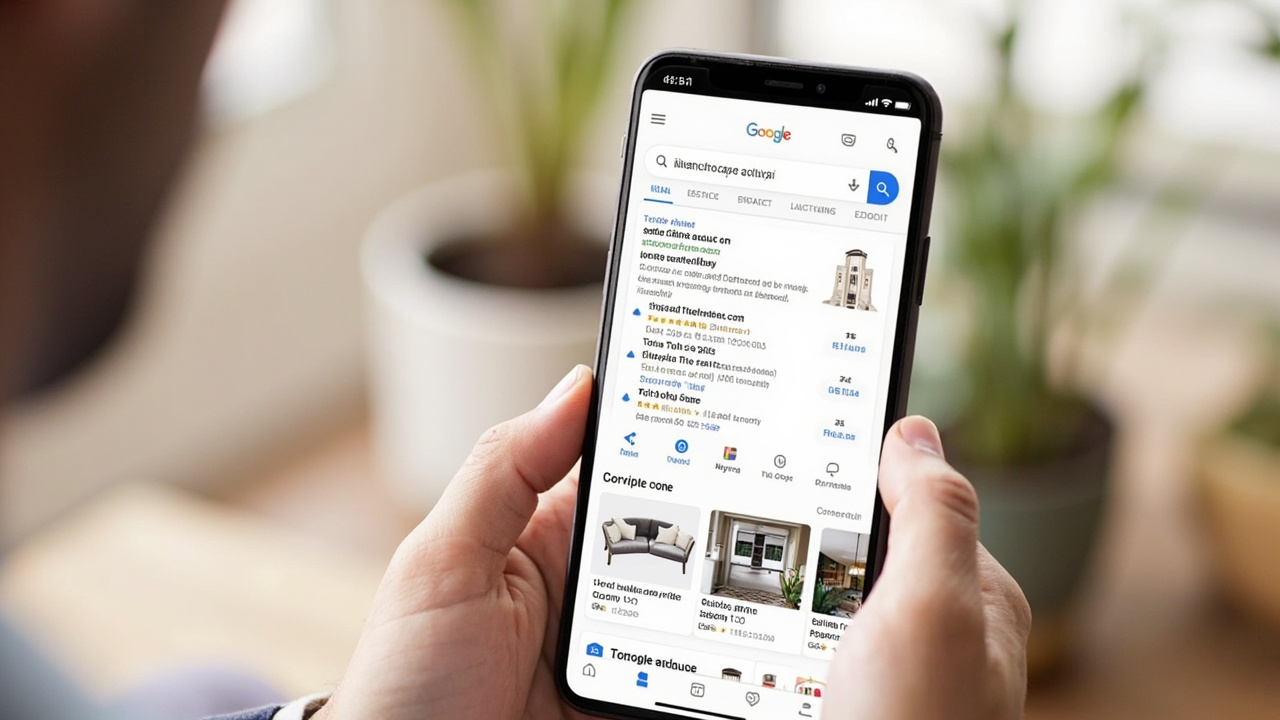


The Keyes Company and Illustrated Properties have joined HouseCanary’s Google Listings Program, expanding the distribution of their active Florida listings to Google mobile search. According to HousingWire, the arrangement covers active inventory from more than 4,000 agents.
This is not a Google purchase of brokerage inventory. It is a feed-and-display arrangement built around participating MLS systems, with HouseCanary connecting listings to a mobile search carousel.
At a glance:
- Keyes and Illustrated Properties joined the Google Listings Program.
- More than 4,000 agents are represented in the participating brokerage group.
- Eligible active listings will appear in a carousel near the top of Google mobile results.
- Search results will show basic property details and brokerage attribution.
- Listings will link to a page with more information, an agent’s name and a click-to-contact button.
- Keyes agents also receive complimentary access to HouseCanary’s agentic AI tools.
A broader route into mobile search
The program was launched in early 2026 and is expected to expand to all eligible US markets this fall, according to the company announcement. HouseCanary signs agreements with MLSs that provide brokerage members’ listings, while also working directly with brokerages whose inventory reaches the program through those systems.
Keyes listings are supplied through My State MLS. Seven other groups are also involved: Bright MLS, REcolorado, San Diego MLS, Arizona Regional MLS, California Regional MLS, IRES MLS and the Permian Basin Board of Realtors. HouseCanary also recently announced that Side had joined through My State MLS.
The commercial logic is straightforward. Consumers searching for a home on a phone are a high-intent audience. A carousel can place a property in front of that audience before the user reaches an individual brokerage website.
For brokers, however, appearing in search is only the first step. The result must attract attention, answer enough questions to keep the click and then convert that click into a useful contact.
Distribution does not replace differentiation
HouseCanary CEO Chris Rediger said brokers were joining because sellers expect their homes to appear where buyers search. That is the practical pressure behind the agreement.
Yet placement is not the same as demand generation. A carousel may create exposure without delivering qualified inquiries if property details are incomplete, pricing is uncompetitive or the presentation fails to distinguish the listing.
That puts more pressure on agents to use the accompanying tools rather than treating the Google placement as an automatic lead engine. Keyes agents receive complimentary access to comparative market analysis, advertising management and property intelligence functions in HouseCanary’s agentic AI platform.
These tools can reduce operational work, but they do not remove the need for sound pricing judgment. In fact, broad distribution makes weak presentation more costly because more prospects will see it.
For real estate investors and advisers, the program also raises a useful question about future transaction channels. If listings become more embedded in general search, brokers may need to measure leads, contact rates and eventual appointments by source rather than relying on a single website funnel.
Why this matters for you
For commercial brokers and property marketers, the immediate lesson is that search visibility is becoming more programmable and less dependent on a brokerage’s owned website traffic. That can benefit large networks capable of feeding clean, current listing data across many markets.
Smaller operators face a different issue. Participation depends on access through participating MLSs, and every listing must remain eligible and correctly mapped to a live market. Before joining a distribution program, a brokerage should assess data governance, lead attribution and how quickly listing information will be updated.
For investors watching brokerage economics, broader distribution could increase broker efficiency, but it may also raise the value of accurate pricing and listing presentation. If search channels make properties easier to compare, mediocre listings will be exposed quickly.
The technology is not replacing the brokerage relationship. It is moving the first point of contact upstream, into a search interface where the brokerage’s name and the property’s basic details appear beside competing inventory.
A worked brokerage scenario
Say you manage commercial listings for a firm with agents across several Florida markets. Your first step would not be to celebrate the added impressions. It would be to establish a baseline for click-through rate, qualified inquiries, appointment conversion and eventual transaction outcomes.
Then test whether those measures improve after the listings enter the carousel. Separate consumer-owner leads from investors, tenants and other buyer types where the data allows. A high inquiry count is less useful if it is dominated by mismatched property searches.
The same exercise should apply to the complimentary AI tools. Use comparative market analysis to challenge asking-price assumptions, advertising data to identify which markets respond to particular campaigns and property intelligence to support a listing decision. Track where recommendations agree and where they disagree with local agent knowledge.
If the program increases qualified exposure without adding disproportionate administration or poor-quality leads, it supports the brokerage’s return on marketing spend. Otherwise, the extra listing surface needs tighter controls.
What to watch next
Watch how quickly the program expands beyond its current participating markets and whether more large brokerages sign on. That will determine whether the carousel becomes a standard route for property discovery or remains one channel among several.
For brokers already connected, watch lead quality and listing-data accuracy. For the wider industry, Google’s growing role in property discovery deserves attention because it may alter how brokers measure visibility, distribution and return on listing fees.
Bottom line: Keyes’ participation is a distribution upgrade, not a replacement for brokerage execution. The winners will be firms that treat greater search exposure as a reason to tighten pricing, presentation and lead management.
Key takeaways
- Keyes and Illustrated Properties bring more than 4,000 agents into HouseCanary’s Google listing distribution network.
- Mobile-search visibility can widen a listing funnel, but placement alone will not produce valuable leads.
- Brokers should measure qualified inquiries and conversion by source while using the program’s AI tools to strengthen pricing and marketing decisions.
Frequently asked questions
What is HouseCanary’s Google Listings Program?
It is a program that sends brokerage members’ eligible listings to Google mobile search through participating MLSs and direct brokerage connections.
Which companies joined through the latest announcement?
The Keyes Company and Illustrated Properties joined, covering active listings from more than 4,000 agents.
What will users see in the Google mobile carousel?
They will see basic property details and brokerage attribution, with a link to more information, the listing agent’s name and a click-to-contact button.
What additional tools do Keyes agents receive?
They receive complimentary access to HouseCanary’s agentic AI platform, including comparative market analysis, ads management and property intelligence tools.