





















Australia's housing market is one of the most polarised in the developed world. The national median house price has hit $974,000. At the same time, the cheapest homes to change hands in September were selling for $80,000 to $135,000. The gap between those two numbers is the story.
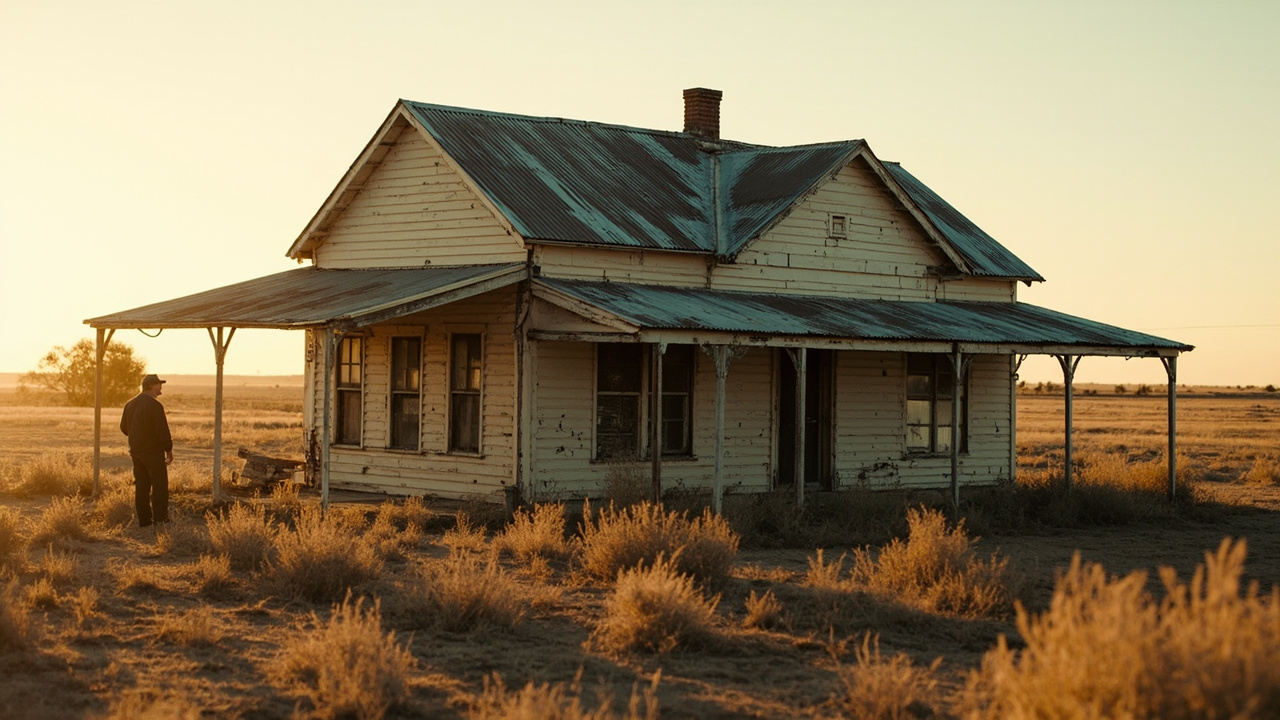
According to realestate.com.au, the cheapest sale of the month was a circa-1900s weatherboard at 32 Dyer Street, Rupanyup, Victoria, which sold for $80,000. Five of the top 10 cheapest sales took place in Victoria, with cheapest-by-state prices ranging from $95,291 in Mt Isa, Queensland, to $118,000 in Goldsborough, Victoria, to $130,000 in Derby, Western Australia. NSW's cheapest sale was $135,000 in Werris Creek, near Tamworth. The national median house price reached $974,000 in September per the realestate.com.au Home Price Report. For our readers, the cheap end of the market is increasingly a separate asset class, and the September data shows how far it has drifted from the median.
What happened
- Australia's cheapest September sale: 32 Dyer Street, Rupanyup, Victoria, at $80,000.
- Five of the top 10 cheapest sales took place in Victoria.
- Cheapest by state: Qld $95,291 (Mt Isa), Vic $118,000 (Goldsborough), WA $130,000 (Derby).
- NSW's cheapest was $135,000 in Werris Creek, near Tamworth.
- Median Australian house price reached $974,000 in September.
- Several of the cheapest sales were uninhabitable or in severe disrepair.
What changed in September
The Rupanyup property was advertised as a three-bedroom renovator's dream. It was sold weeks before its October expressions-of-interest closing date, and the agent attributed the price to a power-of-attorney situation. The vendor wanted a fast sale. Mt Isa's cheapest was a four-bedroom home sold for $95,291 on behalf of the public trustee. The agents said costs of materials made it harder to sell, and the property had been in that state for some time. Tasmania's cheapest sale was a 1970s three-bedroom home at 15 Evans Street, Queenstown, which sold for $180,000, and South Australia's was a Burra property combining a retail space and a one-bedroom home at $209,000. Canberra's cheapest was a one-bedroom apartment at 7/5 Hyndes Crescent, Holder, which sold for $286,000. The NT's cheapest was a Rapid Creek studio at $159,500. These are distressed sales, often without internal inspections, frequently boarded up. The Macleay Island property on Cooee Crescent sold for $110,000 with no internal photos and no inspections allowed, yet still drew multiple offers. That tells you something about who is buying.
Our analysis
The headline median is $974,000, but that number obscures the structural reality. Australia's housing market is essentially two markets. One is the Sydney-Melbourne-Brisbane owner-occupied and lifestyle market, where the median sits. The other is regional, resource-town and remote Australia, where prices are an order of magnitude lower and stock is older, smaller, and often uninhabitable. The two markets trade on different drivers, different buyer pools, and different exit conditions. The gap between the median and the bottom is widening. That is the signal worth watching.
For property investors, three things matter. First, the cheapest end functions as a separate market with its own drivers: deceased estates, family settlements, public-trustee sales, and renovator-flippers. Second, the gap between median and bottom means regional and remote investment strategies are increasingly disconnected from capital city plays. Third, transaction friction is real: agents report difficulty selling properties needing extensive work, and some have closed without internal inspections due to condition. The wider point is that median prices tell you almost nothing about the bottom of the market. For investors looking at affordable housing, regional build-to-rent, or social and affordable housing plays, the cheap end is a distinct asset class. Underwrite it accordingly.
A worked example
Say you are an institutional investor looking at regional build-to-rent or social housing. A $80,000 property in a rural Victorian town looks tempting on a yield basis, but transaction costs, condition risk and liquidity risk are all higher than the headline price implies. Stamp duty, agent fees, and a long repositioning window can quietly add a substantial premium to all-in cost. The cheap end rewards patient capital with renovation and asset management capacity, not fast-money flippers. That is the underwrite.
What to watch next
Watch regional transaction volumes and government affordable housing commitments. If transaction volumes at the cheap end stay low while median prices keep rising, expect policy intervention in the affordable and social housing space. Bottom line: Australia's housing market is two markets, and the cheap end operates on its own logic.
Key takeaways
- Australia's cheapest September sale was $80,000 in Rupanyup, Victoria.
- The national median house price hit $974,000 in September.
- Five of the top 10 cheapest sales took place in Victoria.
- The cheapest end is a distinct market with its own drivers and risks.
- Underwrite cheap-end regional property for material repair cost and carrying cost.
Frequently asked questions
What was Australia's cheapest home sale in September?
32 Dyer Street, Rupanyup, Victoria, sold for $80,000, per realestate.com.au.
What is the national median house price?
The realestate.com.au Home Price Report puts the median Australian house price at $974,000 in September.
Why are regional properties selling so cheaply?
Most are sold as deceased estates, family settlements or uninhabitable renovator opportunities, often without internal inspections.
Which states had the cheapest sales?
Victoria had five of the top 10 cheapest sales. Cheapest by state ranged from $95,291 in Mt Isa, Qld, to $286,000 in Holder, ACT.
Is the cheap end of the market relevant for investors?
Yes. It is a distinct sub-market with its own drivers, including affordable housing, regional build-to-rent and renovator-flippers. Underwrite accordingly.