






















The Building and Construction Authority of Singapore released a study on July 22 putting hard numbers on a soft concept. Design for Maintainability, the practice of planning cleaning, repair and servicing into a building before it is built, saves real money once a building is operational.
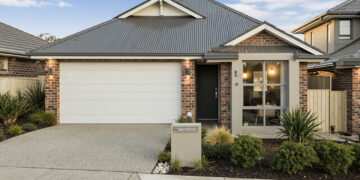
BCA worked with external consultants to put four buildings under the microscope. Three were commercial: SJ Campus (owned by Surbana Jurong), CapitaLand's Ascent, and the new Shaw Tower. The fourth was Copen Grand, a new Executive Condominium. The commercial trio showed annual operational savings of $310,000 to $950,000. Copen Grand clocked roughly $110,000 a year. Most measures paid back the extra construction cost within three to six years.
Why BCA commissioned the work
Singapore's building stock is growing and ageing at the same time. The facilities management workforce is shrinking. Hiring more cleaners and engineers is not a workable answer, so BCA has been pushing maintenance-aware design through its Green Mark 2021 certification scheme since 2021.
Industry feedback was blunt: there was no quantitative evidence, and private residential developers had little reason to invest, since they sold units at completion and the savings flowed to the Management Corporation and future owners, not to them.
To close that gap, BCA awarded the study to Surbana Jurong Consultants in December 2024. Work started the following month and wrapped in May 2026. The brief: a 30-year life-cycle cost model comparing baseline designs against DfM-equipped ones.
The payback math
For the three commercial buildings, added construction cost ranged from 0.6% to 1.5% of total construction cost. Copen Grand came in at 0.2%.
In return, the commercial buildings saved $310,000 to $950,000 a year, with most measures paying back within six years. Copen Grand saved up to $110,000 a year with a payback period under five years. Many measures shaved maintenance man-days by more than 60% in the commercial buildings and more than 65% at Copen Grand, according to stackedhomes.com.
| Metric | Commercial buildings | Copen Grand EC |
|---|---|---|
| Added construction cost | 0.6% to 1.5% of total cost | 0.2% of total cost |
| Potential annual operational savings | $310,000 to $950,000 | Up to $110,000 |
| Typical payback period | Under 6 years | Under 5 years |
| Maintenance labour effect | Most measures trimmed man-days by 60% or more | Most measures trimmed man-days by 65% or more |
Our analysis
Two things stand out for commercial real estate readers.
First, the savings are large enough to change underwriting. A 1% upfront premium for design choices that return mid-six-figure annual savings within six years is a different conversation than "nice-to-have sustainability." It is a yield story.
Second, the biggest wins came from choices made at the architect's drawing board. Floor finishes, ceiling systems, and how workers actually reach the façade for cleaning drove the largest productivity gains. M&E retrofits came second. Owners chasing operational savings should be leaning on their architects harder than their engineers on DfM.
The Copen Grand number is small in dollars but large in percentage terms. For ECs and similar private residential product, the message to developers is direct: build the savings in now, because they will not accrue to you later.
What it means for you
Say you are a developer in Singapore planning a commercial tower. Treat DfM as part of the pro forma, not as a Green Mark line item.
Add a 1% construction-cost line for maintainability choices at concept stage. Ask the architect for a façade-access strategy and a ceiling-system choice before schematic design. Price the trade-off against a six-year payback on up to $950,000 a year in operational savings for a mid-sized commercial building.
For asset managers, audit your existing stock against Green Mark Mt Badge criteria. The cheapest maintenance dollar is the one spent at design, but the second cheapest is the one spent identifying which existing buildings are leaving the most money on the table.
What to watch next
The mandatory adoption of CORENET X, BCA's digital building-plan submission platform, effective October 2026. Combined with the DfM case study, expect BCA to push more prescriptive maintainability requirements into Green Mark.
Key takeaways
- A BCA-commissioned study found annual operational savings of $310,000 to $950,000 across three commercial buildings using Design for Maintainability.
- Added construction costs ranged from 0.6% to 1.5% of total construction cost for the commercial buildings, with payback typically under six years.
- Copen Grand Executive Condominium saved up to $110,000 a year at 0.2% added cost, with payback under five years.
- The largest productivity gains came from architectural decisions such as floor and ceiling choices and façade access, not M&E upgrades.
- BCA's CORENET X digital platform becomes mandatory for the relevant projects in October 2026, adding momentum to DfM adoption.
Frequently asked questions
What is Design for Maintainability?
DfM is the practice of designing a building so that cleaning, repair and ongoing servicing are easier and cheaper once it is operational.
How much does DfM cost upfront?
In the BCA study, added construction costs were 0.6% to 1.5% for commercial buildings and 0.2% for the Copen Grand Executive Condominium.
How much can DfM save annually?
The BCA study found potential annual operational savings of $310,000 to $950,000 for the three commercial buildings and up to $110,000 for Copen Grand.
Why did BCA commission the study?
Industry feedback said there was no quantitative evidence of DfM savings, and private residential developers had little reason to invest, since the savings flowed to owners after sale rather than to the developer.
When does CORENET X become mandatory?
BCA announced separate changes making CORENET X mandatory for the relevant projects from October 2026.

