











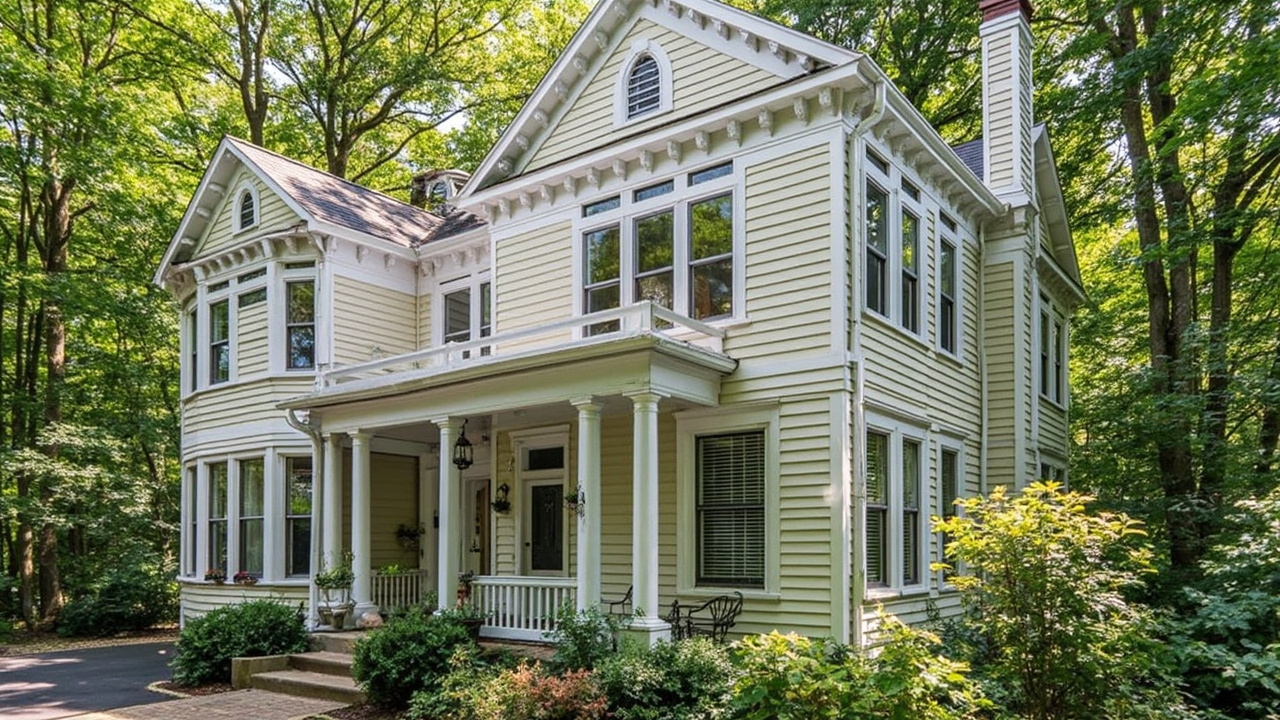

A 1.49-acre property in Wilton, Connecticut has been listed for $850,000, and the headline isn't the house — it's the certified wildlife habitat the seller built around it. The 1915 Colonial sits inside the Pollinator Pathway Project, a neighborhood scheme that turns private yards into native-plant corridors for bees, birds and other pollinators.
The home itself is a three-bedroom, 1,612-square-foot residence in Wilton's Historic District. The listing is held by Michele Ferguson Nichols of Douglas Elliman.
What happened
- Asking price: $850,000 for a 1.49-acre parcel
- Built in 1915, three bedrooms, 1,612 sq ft
- Located in Wilton's Historic District, CT
- Listed by Michele Ferguson Nichols, Douglas Elliman
- Designated a Certified National Wildlife Habitat and part of the Pollinator Pathway Project
What's actually being sold
Walk past the stone patio and the landscaped lawns and the property flips from a tidy historic home into something closer to a working ecological site. The current owner hired landscape designer Brett Gilman to lay out a native planting plan suited to the sloped terrain — low maintenance by design, which is part of why it kept its wildlife certification.
The Pollinator Pathway Project launched locally in 2017 and has since been designated a Certified National Wildlife Habitat. Maintaining that status isn't a marketing flourish — it comes with documented requirements: multiple food sources, drinking water, shelter, breeding space, and eco-friendly practices like dropping chemical pesticides.
Who should care
| Buyer profile | Why it fits (or doesn't) |
|---|---|
| Young families | Within walking distance of Caraluzzi's; the outdoor grounds become a de facto nature classroom |
| Empty nesters | One-level flow via the open-plan addition; certified habitat requires seasonal attention but is designed for hands-off upkeep |
| New York weekenders | Near the train; the habitat story gives the listing a hook beyond "quaint Connecticut Colonial" |
| Conservation-minded buyers | The National Wildlife Habitat certification is already active — inheriting it at closing |
| Speculators | Habitat obligations add holding costs; the ecological narrative is a niche buyer pool |
Why it matters
Most high-end residential listings compete on finishes, square footage and school districts. This one competes on certified land and a maintained landscape plan. That's a different kind of asset, and the next owner is effectively buying into a stewardship agreement whether they intended to or not.
It also blurs the line between lifestyle and infrastructure. Buyers who don't maintain the habitat can lose the certification — and a meaningful marketing hook. Buyers who do want it are acquiring years of curated planting at a price that, for Wilton's Historic District, looks closer to land-plus-cottage than trophy estate.
What to watch next
Watch how the listing describes the habitat at offer time. If the seller leans on the ecological story, expect a longer days-on-market window but a more committed buyer pool. If they shift the pitch back to square footage and the 1915 bones, the wildlife angle is softening. Either way, this is a useful test case for whether certified-land stewardship is starting to move the needle on suburban asking prices.
Key takeaways
- The home is priced well below typical trophy-Colonial territory; the differentiated asset is the certified habitat, not the square footage.
- Habitat certification comes with binding upkeep obligations a buyer inherits at closing.
- Expect this listing to test whether ecological stewardship can anchor a suburban sales pitch beyond the usual curb-appeal language.
Frequently asked questions
Why is a Wilton, CT home listed for $850,000 with a wildlife habitat?
The 1.49-acre property is part of the Pollinator Pathway Project and carries a Certified National Wildlife Habitat designation, making the landscape a featured part of the listing alongside the 1915 Colonial house.
Who is listing the Wilton Pollinator Pathway home?
Michele Ferguson Nichols of Douglas Elliman holds the listing.
What does keeping the wildlife habitat certification require?
The property must maintain multiple natural food and water sources, shelter, breeding areas and eco-friendly practices such as avoiding chemical pesticides.
When was the Pollinator Pathway Project launched?
The Pollinator Pathway Project launched locally in 2017.


