


















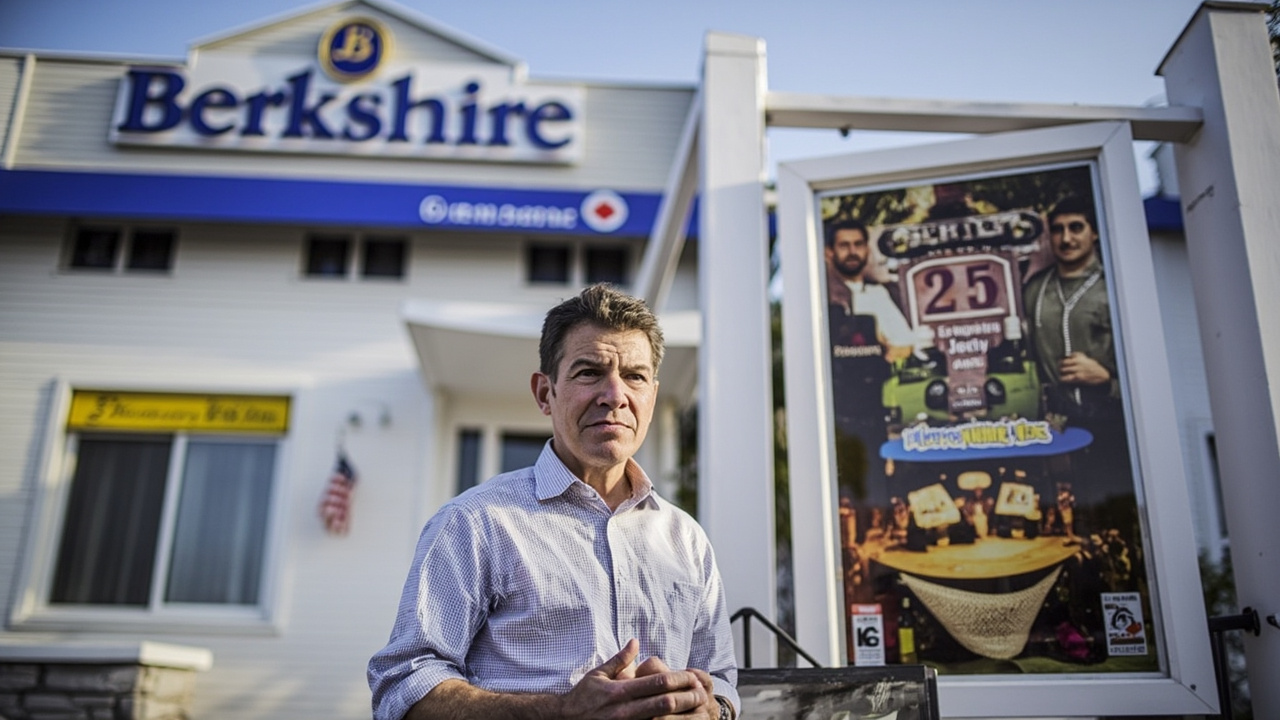


Two substantial real estate transactions are drawing divergent regulatory attention. Berkshire Hathaway agreed to acquire homebuilder Taylor Morrison for approximately $8.5 billion, while the New York Attorney General opened an antitrust investigation into Compass Worldwide Holdings following its $1.6 billion acquisition of Anyplace Real Estate.
The deals illustrate different deal-making outcomes in property markets—one attracting institutional capital without opposition, the other raising competitive concerns now under regulatory review.
What happened
- Berkshire Hathaway agreed to acquire Taylor Morrison Home Corp. For $72.50 per share in cash, representing a $8.5 billion total value
- The offer represents a 24% premium to Taylor Morrison's closing price
- The transaction is expected to close in the second half of the year
- The New York Attorney General opened an antitrust investigation into Compass following its acquisition of Anyplace
- Compass stock fell 11.8% on news of the investigation
- Analysts noted the combined Compass-Anyplace entity controlled over 80% of Manhattan transaction volume in 2024
Two deals, two outcomes
Berkshire Hathaway's acquisition of Taylor Morrison adds site-built homes to its existing Clayton Homes platform. Taylor Morrison, founded in 2013, operates residential homebuilding and lifestyle community development across 12 U.S. States. The $72.50 per share offer values the company's equity at approximately $6.8 billion.
Greg Abel, Berkshire's chief executive, said the acquisition would help expand access to homeownership. The deal is expected to close in the second half of the year, with Taylor Morrison continuing to operate under its existing management team.
The Compass situation presents a different picture. The New York Attorney General's antitrust bureau launched an investigation following Compass's acquisition of Anyplace Real Estate. The probe moved past its initial stage, with investigators reaching out directly to leaders at major New York brokerages. The combined entity—operating under brands including Corcoran, Sotheby's International Realty, Coldwell Banker, Century 21, ERA, and Better Homes and Gardens Real Estate—now manages roughly 340,000 real estate professionals across a platform valued at approximately $10 billion.
Market concentration data indicated the combined companies controlled more than 80% of 2024 transaction volume in Manhattan and over 60% in San Francisco, figures that exceed the 30% threshold the Federal Trade Commission flags as potentially eliminating substantial competition. Congressional pressure has also mounted, with Senators Elizabeth Warren and Ron Wyden previously warning that the combination could restrict transparency and inflate dealer fees.
Compass stock declined on the investigation news, falling 11.8% to $7.61—down roughly 28% year-to-date—though Barclays analysts maintained an Overweight rating on the shares, calling the selloff "punitive" and viewing it as a buying opportunity.
Why this matters
The divergence between these deals reveals something important about regulatory risk in real estate transactions. Berkshire's acquisition cleared federal review in four months and proceeded without opposition. Compass's deal also cleared federal review, yet now faces potential forced asset sales if regulators determine antitrust violations occurred.
Who wins and loses:** Berkshire gains a larger housing footprint without visible pushback. Compass faces shareholder value destruction and potential structural remedies. Competing brokerages in Manhattan and San Francisco may benefit if forced divestitures create new market entrants. Home sellers in concentrated markets could see reduced competition among agents.
Trade-offs:** Institutional capital flowing into homebuilding faces fewer regulatory obstacles than brokerage consolidation. The FTC and DOJ have shown willingness to review brokerage deals, but state-level action—particularly from New York's AG—poses additional risk that federal review does not catch.
What to watch:** Whether the New York investigation triggers similar probes in other states. How the FTC responds to congressional pressure on real estate marketplaces. Whether Compass divests assets or fights the findings.
Who Should Care
| Stakeholder | Primary Concern | What to Watch |
|---|---|---|
| Residential homebuilders | Berkshire's entry validates the sector | Whether more institutional capital follows |
| Real estate brokerages | Market concentration thresholds | FTC and DOJ appetite for brokerage enforcement |
| Property investors | Regulatory risk in brokerage vs. Development | Geographic market share in target holdings |
| Home buyers | Fee transparency and competition | How investigation affects agent availability |
Bottom line
Real estate M&A continues attracting both institutional capital and regulatory scrutiny. Berkshire's $8.5 billion acquisition demonstrates appetite for homebuilding without visible friction, while the Compass investigation highlights competitive concerns that brokerage consolidation can trigger. Investors should account for geographic concentration metrics when evaluating residential brokerage holdings.
Key takeaways
- Berkshire Hathaway's $8.5B Taylor Morrison deal signals institutional interest in homebuilding
- The Compass antitrust investigation highlights concentration risks in residential brokerage consolidation
- Market share exceeding 30% in major metros can trigger regulatory scrutiny
- Federal deal review does not preclude state-level antitrust action
Frequently asked questions
What is Taylor Morrison?
Taylor Morrison Home Corp. Is a residential homebuilder and lifestyle community developer operating in 12 U.S. States, founded as a public company in 2013.
Why is the New York Attorney General investigating Compass?
The investigation focuses on potential antitrust violations following Compass's $1.6 billion acquisition of Anyplace Real Estate, with regulators examining market concentration in Manhattan and San Francisco.
How did Compass stock respond to the investigation news?
Compass shares fell 11.8% to $7.61 on the day the investigation became public, down approximately 28% year-to-date.
What brands does the combined Compass-Anyplace entity operate?
The platform includes Corcoran, Sotheby's International Realty, Coldwell Banker, Century 21, ERA, and Better Homes and Gardens Real Estate.
What outcome is possible for the Compass investigation?
If regulators find antitrust violations, the combined entity could face forced asset sales to restore competitive conditions in affected markets.